Runway Paper / Style / SEP 14, 2026
The Location Isthe Look
Where you shoot decides more than what you shoot. A working method for location-first creative direction — including how to scout like you have money when you don’t.
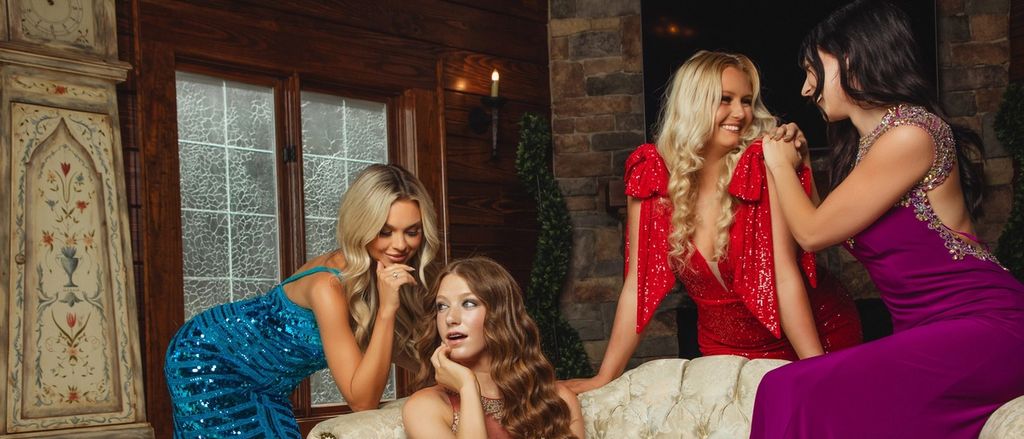
Ask anyone outside the industry what makes a fashion image and they'll say the clothes. Ask anyone inside and they'll hedge — the model, the light, the retoucher. Almost nobody says the real answer out loud: the location decides more than any of them. It sets the palette, the stakes, and the story before a single garment comes off the rack.
Our launch package is a five-part argument for that idea. But an argument you can't use is just an opinion, so here is the method underneath it — the one we used, and the one you can steal.
Start with the place, then argue with it
The standard production order is backwards: concept, then clothes, then “find somewhere to shoot it.” That order produces the interchangeable backdrop — the white cyc, the nice wall, the location doing nothing but not ruining anything.
Flip it. Choose the location first, then make the styling take a position on it. There are only two positions worth taking:
Fight the location. Put the clothes in opposition to everything the place stands for. That's “Manor Born” — a stone estate built to project old, quiet power, invaded by sequins and jewel tones that project the opposite. The friction is the story. It's also “Court Order,” where country-club codes get walked off the court and into a crosswalk. The garment supplies the history; the place supplies the trespass.
Amplify the location. Let the place's own drama run the shoot and style into it. That's “The Last Light,” where a Manhattan rooftop handed art direction to the sun, and “Off the Bow,” where forty feet of moving sailboat forced every frame to be decisive. Amplifying isn't passive — it means every styling choice makes the location more itself. Pearls at sea. Silk at sunset.
The one position that never works is neutrality. If you could swap the location without changing the styling, you don't have a location. You have a permit.
The palette is already decided — read it
Every location arrives with a color story you don’t control. The jungle in “Heat Index” is a wall of green that swallows everything adjacent to it — olive, khaki, and sage simply vanish. So the styling went to open war: hot pink, purple print, tasseled ivory. The location made the palette decision; we just obeyed it loudly.
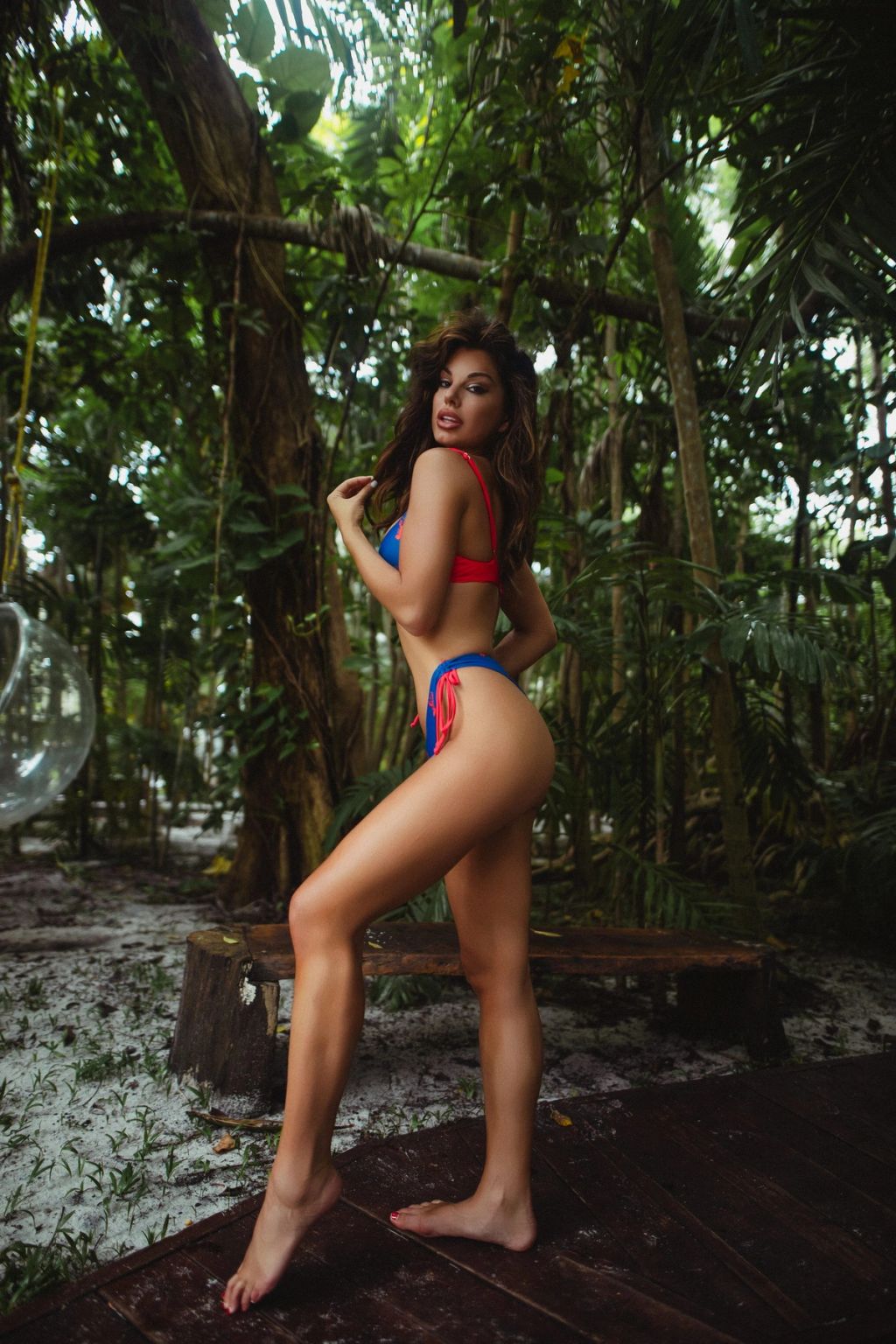
Do this on purpose: stand in the space, name its three dominant colors, then decide whether your rack lives opposite them (contrast) or inside them (tonal). Both work. Drifting somewhere in the middle reads as an accident, because it is one.
Same audit for surfaces. Stone, water, timber, stucco, asphalt — each one bounces light differently and gives texture for fabric to play against. Sequin against carved oak is an image. Sequin against seamless paper is a product shot.
Scouting like you have money when you don't
The best locations in our launch package are, functionally, five categories anyone can access:
Rooftops. The most cinematic real estate in any city is the top of a building someone you know already lives in. You don't need the skyline penthouse — you need west-facing, open sky, and permission from whoever holds the lease.
Water. A chartered sailboat for an afternoon costs less than a mediocre studio day in most cities, and it comes with a horizon, a working set, and built-in production design.
Estates and grand interiors. Peer-to-peer location marketplaces have put manor houses, deco lobbies, and historic homes on hourly rates. Event venues will often rent dead weekday hours cheap.
Sports architecture. Courts, clubs, pools, lifeguard towers — graphic, color-blocked, and mostly empty at off-hours.
Botanical density. You do not need a flight to shoot a jungle. Botanical gardens, conservatories, and overgrown backyards read as “understory” the moment you frame out the path.
Two rules travel with all of them. Scout at the hour you'll shoot, because a location at 10 a.m. and the same location at 6 p.m. are different sets. And keep the footprint small — one rack, one bag, a team that fits in one vehicle. Small footprints get invited back.
The swap test
Before you shoot anything, run the test we ran on every editorial in this package: imagine swapping the clothes and keeping the location, then imagine the reverse. If the mood survives the clothes swap but dies with the place swap, the location is doing its job.
And it applies well past photography. Getting dressed is a location decision too. Don't ask what you're wearing. Ask where it's going to be standing.