Runway Paper / Culture / SEP 18, 2026
The Only Light New York Gives Awayfor Free
Golden hour is the one production value in this city that doesn't invoice you. Here's how it actually works, how to plan for it, and how to stop wasting it.
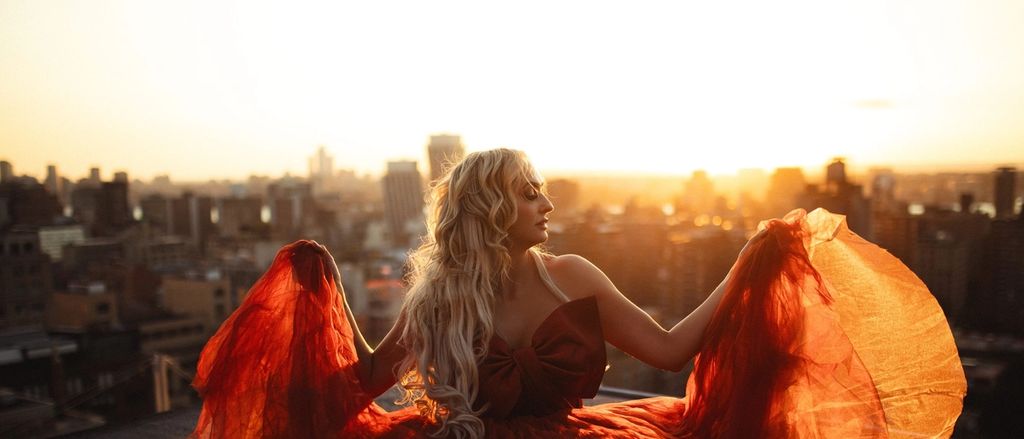
Everything in New York costs something. The rooftop costs. The model, the rack, the steamer, the guy who knows the guy with the freight elevator — all of it invoices you eventually. The light is the exception. For a short window at the end of every clear day, the most expensive lighting design in the world switches on over the Hudson and charges nobody.
Most people waste it anyway — because they treat golden hour as a vibe instead of a system. It's a system. Here it is.
What the light is actually doing
Golden hour isn't magic; it's geometry. When the sun sits low on the horizon, its light travels through far more atmosphere before it reaches you. The atmosphere scatters the short blue wavelengths out of the beam and lets the long warm ones through — the same physics that makes the sky blue at noon makes the light gold at seven. What arrives on your rooftop is warm, directional, and dramatically softer than midday sun, because the atmosphere has been acting as a diffuser the size of the planet.
For fashion, each of those properties does a specific job. Warm means skin looks like skin without correction. Directional means fabric gets shadow and dimension — pleats read, drape reads, texture reads — with no reflector in sight. Soft means you can shoot a face straight into it without the raccoon-eye shadows that make noon portraits a war crime.
It's actually three windows, not one
The phrase “golden hour” flattens what is really three distinct lights, and knowing which one you're in decides what you should be shooting.
The golden window — roughly the last hour before sunset — is the workhorse. Warm, flattering, still bright enough for fast shutter speeds and movement. This is when you shoot the looks that need energy: flowing skirts, wind, motion. Florals and saturated color love it; the warmth pushes everything toward amber, so cool tones will shift on you.
Sunset proper is a five-to-ten-minute event, not an hour. The sun touches the horizon, the sky goes theatrical, and the correct move is silhouette: put the body between the camera and the sun, kill the fill, and let shape do the work. This is the hardest window to improvise in — if the look isn't already on the model when the sun hits the horizon, you missed it.
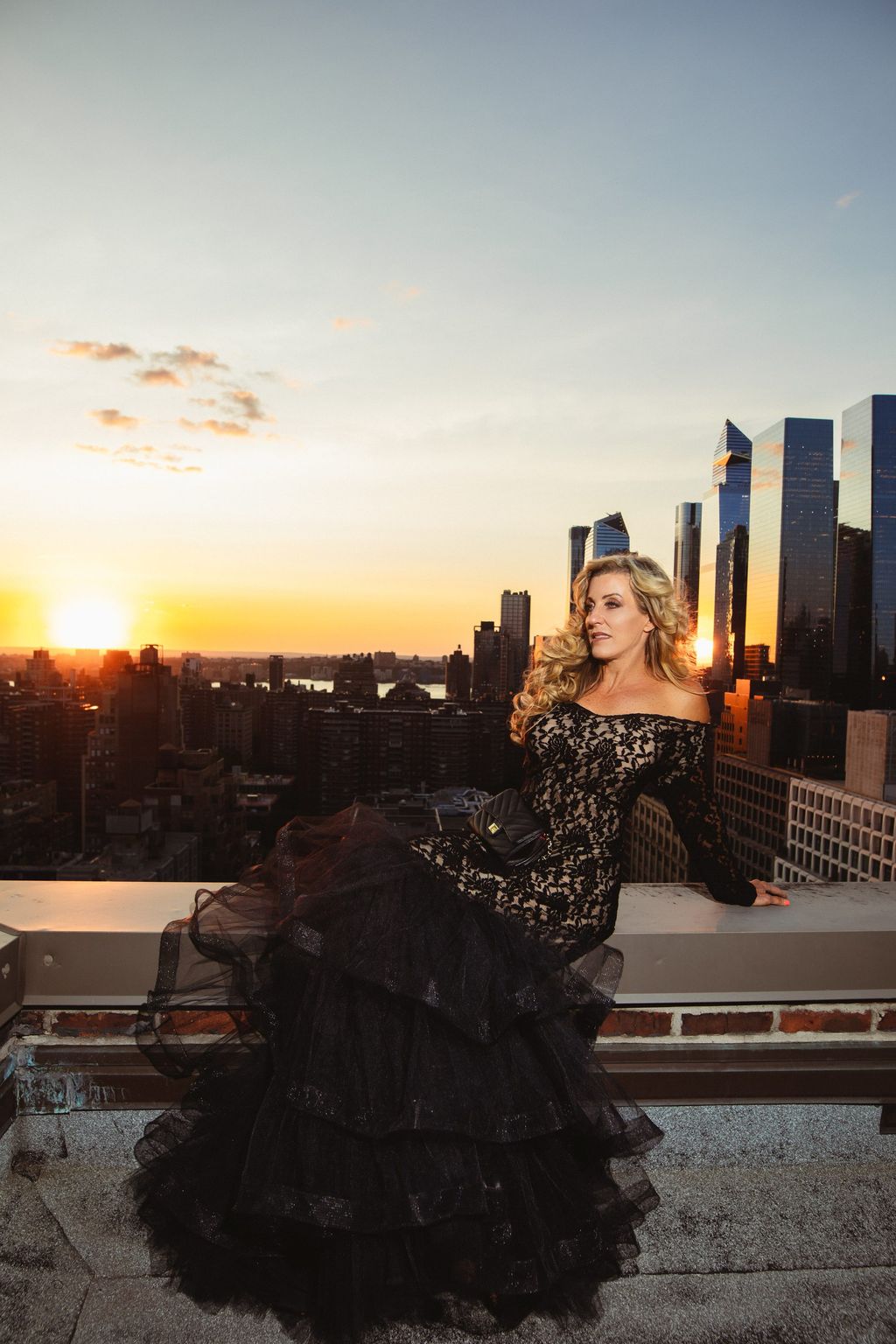
Blue hour — the twenty-odd minutes after the sun is gone — is the most underrated light in fashion. The sky becomes one enormous soft cool source, the city's own lights switch on and go warm, and anything reflective earns its keep. Sequins, lamé, satin, beading: they die at noon and come alive at dusk. If your rack has sparkle on it, blue hour is why.
Our editorial “The Last Light” runs that exact sequence in order — florals in the hard light, red silk at the burn, black lace and sequins after dark — because the light dictated the run of show, not the other way around.
How to plan it like a professional
The difference between catching golden hour and chasing it is about ninety minutes of preparation.
Know your minute, not your hour. Sunset time shifts every day and swings enormously by season — a December golden hour in New York starts mid-afternoon; a June one runs past eight. Apps like PhotoPills and Sun Surveyor will show you the sun's exact path across your specific location, which matters in Manhattan more than almost anywhere, because a building you can't see on the map will eat your last twenty minutes of direct light. Scout the roof at the hour you plan to shoot, days before you shoot.
Face west, or know why you aren't. Direct golden light needs a sightline to the setting sun. An east-facing setup at sunset gets you the bounce — softer, cooler, still lovely — but it's a different photograph. Decide which one you're making before the day.
Sequence the rack by light, not by outfit logic. Movement and color first, silhouette look staged and ready before the sun touches the horizon, sparkle last. Changes eat five to ten minutes each, and blue hour will not wait for a zipper.
Overshoot the transition. The light changes meaningfully every three or four minutes at the end. Frames taken ten minutes apart look like different days. Keep shooting through what feels like the end — the best frame of the night is often two minutes after you thought it was over.
The part that isn't about photography
There's a lesson buried in here that outlasts the shoot. Fashion spends fortunes manufacturing scarcity — limited drops, closed shows, one-night-only everything. Meanwhile the most reliable scarcity in the business happens every single evening, in public, for free, and most of the industry is still answering email when it does.
The forty minutes are not the reward for finishing your work. They are the work. Get on the roof earlier.